During cricket, we require a variety of skills which are known as fundamental skills of cricket. Today we are going to disclose some unique fundamental skills of cricket.
1. Batting Skills
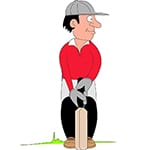
Begin as a batsman, the player must have good wrist power, eye coordination, stamina, running speed, a judgment of speed, bat speed, and other knowledge and statistics for cricket.
- The player needs to protect his wicket with the bat.
- Avoid the ball hitting the legs.
- Avoid playing aerial shots, as this can result in batsmen getting caught and dismissed.
- The player should have perfect guidance on when to take a run.
- Hit the ball with perfect choices of shot, timing, and strength.
Different types of shots
A skilled batsman plays various shots to score more runs. Batman needs to have the knowledge and skills to play different types of shots. Typically, a proficient batsman maintains great balance throughout their body, enabling them to play a variety of shots.
Types of batting
- Block
- Cut
- Drive
- Hook
- Leg Glance
- Paddle Sweep
- Pull
- Sweep
- Reverse Sweep
- Slog Sweep
- Slog
2. Bowling skills

Bowling is as important as batting in the cricketing field. Bowling refers to when the ball is delivered by a bowler with the intent of defending the batsman’s wicket. A player skilled in bowling is known as a bowler. When the ball is thrown to the batsman is called a ball or delivery. Typically, an over consists of six sets of balls, and a bowler usually bowls six balls in an over. After one over is bowled by a bowler, another player from the team takes on the responsibility of bowling the next over.
Cricket has specific laws governing bowlers on how to deliver a legal ball. If a bowler bowls an illegal delivery, the umpire will rule it a ‘No Ball.’ Additionally, if a bowler delivers the ball too far from the batsman, it is termed a ‘Wide,’ and the bowler is required to bowl another ball.
Types of bowling
1. Fast bowling
- Seam Bowling
- Swing Bowling
- Bouncer
- In dipper
- In swinger
- Leg Cutter
- Off Cutter
- Slow Ball
- Reverse
2. Deliveries
- Full Toss
- Beamer
3. Spin bowling
- Off-Spin
- Leg-Spin
- Chinaman
- Doosra
- Googles
- Leg Break
- Teesra
- Arm Ball
3. Fielding
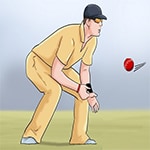
In the 21st century, fielding has become a crucial factor in winning matches. A player needs to put in more hard work, practice, and focus on flexibility to become a good fielder. Being a good fielder, a player should have more flexibility and body right behind the ball. Additionally, having a keen judgment is essential, especially when going for a catch. The fielder’s eyes must be fixed on the batsman, attentively observing all the activities performed, in order to react promptly and catch the ball.
Nowadays, the standard of fielding has reached a top-level in cricket. Every player in any team is a great fielder due to their fitness and flexibility.
First Aid for Sports Injuries in Cricket Includes:
- Injured Elbow
- Rib Cage Injury
- Pulled Hamstring
- Finger Fracture
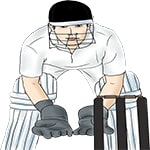
4. Wicket – Keeper
5. Running Between the Wickets
This is a vital skill often overlooked. Running efficiently builds partnerships and keeps the scoreboard ticking.
Techniques:
Quick judgment of gaps
Communication with batting partner
Always back up at the non-striker’s end
Slide the bat while diving to make your ground
Practice turning quickly at the crease
6. Fitness and Agility
Cricket requires strength, speed, endurance, and flexibility.
Focus Areas:
Strength (Core and upper body for power hitting or fast bowling)
Endurance (Long matches demand sustained energy)
Speed & Agility (Quick movements for running and fielding)
Flexibility (Reduces injury risk and improves reflexes)
Include training routines for sprinting, yoga, strength conditioning, and warm-ups.
7. Game Awareness (Cricket IQ)
A smart cricketer reads the game and adapts strategy accordingly.
Examples:
Reading pitch behaviour
Analyzing bowlers’ variations
Choosing the right field placement
Understanding match situations (powerplays, run rates, etc.)
8. Decision-Making Skills
Quick and accurate decisions can change games.
Choosing the right delivery or shot
Calling for runs or avoiding risky singles
DRS usage (at higher levels)
Changing strategies mid-game
9. Hand-Eye Coordination & Reflexes
This is crucial across all roles in cricket:
Batsmen reacting to 145+ km/h deliveries
Close-in fielders catching deflections
Wicketkeepers making quick stumpings
Improve reflexes through drills, reaction ball practice, and visual training.
10. Mental Toughness & Focus
Cricket is a mental game as much as a physical one.
Stay focused for long durations (Tests, long innings)
Handle sledging, crowds, and pressure situations
Bounce back from failure (e.g., dropped catch or duck)
Practice mindfulness, visualization, and breathing techniques.
11. Communication Skills
Communication keeps the team in sync.
Clear calling for runs
Loud fielding calls (“Mine!” or “Leave it!”)
Captain giving field placements
Bowlers and keepers planning dismissals
12. Throwing Techniques
Every player should develop strong and accurate throws.
Practice flat throws from boundary
Learn overarm vs underarm throws
Focus on quick pick-up and release
Aim at the top of the stumps
13. First Aid for Cricket Injuries
Common cricket injuries and treatments include:
Injured Elbow – Ice, compression, rest
Rib Cage Injury – Avoid impact, gentle stretching
Pulled Hamstring – Heat packs, massage, hydration
Finger Fracture – Splint and medical attention
Basic first aid knowledge ensures faster recovery and fewer complications.
Final Thoughts
Mastering the fundamental skills of cricket requires dedication, consistency, and smart training. From the technique of a textbook cover drive to the fitness needed for a diving save, every skill counts toward making a complete cricketer.
FAQs
Q1: What are the main fundamental skills in cricket?
A: Batting, Bowling, Fielding, Wicketkeeping, Fitness, Mental Toughness, and Game Awareness.
Q2: How can I improve my batting timing?
A: Focus on drills with soft balls, shadow batting, and playing against different bowlers in nets.
Q3: What is the most important skill in cricket?
A: It depends on your role. For batsmen, it’s shot selection and timing. For bowlers, it’s control. For all players, fitness and game awareness are universal essentials.
nice
cheer mate nans now doing backflips on the roof. any fundamental skills for getting her down ?
Thanksfor giving such information!
Quick, Worth and informative Article. Now i’ve so much knowledge about cricket and i can bet on cricket
Thanks to you!
Thank you for your understanding of what is important in cricket
very helpful helped me in the class 12 PE exam
After reading this article got to know helpful knowledge on fundamental cricket skills, which is good to know.
Thanks you Mass for your positive feedback.