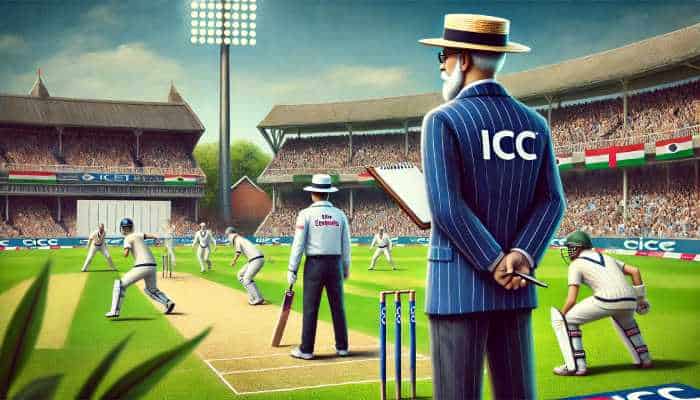
The referee in cricket ensures fair play, discipline, and adherence to rules, safeguarding the sport’s integrity and competitive spirit.
Introduction
In cricket, while players and umpires are often in the spotlight, the referee holds a crucial role in ensuring the game’s integrity, fairness, and adherence to rules. Though less visible on the field, referees work diligently behind the scenes, especially during international matches, to maintain the spirit of the game. Let’s dive into the role of referees in cricket, examining their responsibilities, impact, and why their role is vital to the sport’s future.
Who is the Cricket Referee?
In cricket, a referee is officially known as a “match referee.” This individual is appointed by the International Cricket Council (ICC) for international matches, tasked with overseeing the game from an administrative perspective, ensuring that players and officials adhere to the laws and spirit of cricket. Most referees are former players with in-depth knowledge of the game, adding value through their years of experience and understanding of cricketing nuances.
Key Responsibilities of a Cricket Referee
A match referee’s role can be broken down into several key responsibilities:
- Ensuring Fair Play and Discipline
The match referee is responsible for maintaining discipline on and off the field. They oversee that players and officials act within the “Spirit of Cricket,” a concept emphasizing respect, fair play, and integrity. Referees have the authority to penalize players for unsporting behavior, such as aggressive gestures, verbal abuse, or unnecessary appealing. - Making Decisions on Code of Conduct Violations
Cricket has a strict Code of Conduct established by the ICC, and the referee plays a significant role in enforcing it. When a player breaches this code, whether through misconduct or unsportsmanlike behavior, the referee reviews the incident, decides on penalties, and ensures that disciplinary actions are applied consistently. - Handling Team Disputes
The match referee acts as a mediator in case of disputes between teams. If disagreements arise, especially those involving umpiring decisions, the referee intervenes to mediate and prevent escalation. This helps maintain the decorum of the game and provides a neutral ground for conflict resolution. - Ensuring Compliance with Rules and Regulations
Match referees ensure that the playing conditions, set by the ICC for each format, are followed strictly. From checking field placements and pitch conditions to confirming that all equipment complies with ICC standards, the referee verifies that the rules are consistently applied across every match. - Overseeing DRS (Decision Review System) and Technology Implementation
The Decision Review System has changed the way decisions are reviewed and made in cricket. Referees supervise DRS usage, ensure that the technology functions smoothly, and maintain neutrality and transparency in the review process. - Match Reporting
After every game, referees compile a comprehensive report detailing any incidents or issues that occurred during the match. This report includes conduct violations, decisions made, and an assessment of the umpires’ performance. The ICC reviews these reports to improve regulations, officiating standards, and overall game integrity.
Why is the Role of a Referee So Crucial?
Referees play a pivotal role in upholding the credibility and reputation of cricket. Here’s why their role is indispensable:
- Promoting Fair Play and Sportsmanship
By ensuring adherence to the “Spirit of Cricket,” referees foster an environment of respect and fair play. Their role in penalizing misconduct deters players from engaging in unsportsmanlike behavior, reinforcing the sport’s integrity. - Mitigating Pressure on Umpires
Umpires often face pressure from players and fans due to their high-stakes, on-field decisions. Referees support umpires by addressing misconduct, allowing them to focus on accurate decision-making without distractions. - Ensuring Consistency Across Matches
By enforcing ICC rules consistently, referees create a standard of fairness that transcends geographical and cultural differences, contributing to cricket’s universal appeal. - Leveraging Technology for Accuracy
Referees’ role in DRS oversight ensures that technological tools are used fairly, giving players confidence in the review system and ensuring matches are decided as accurately as possible.
Challenges Faced by Cricket Referees
Being a cricket referee comes with challenges. They need to:
- Maintain Impartiality
Referees must remain unbiased, even when officiating games involving their home countries or favorite teams. This requires a high level of professionalism and emotional detachment. - Adapt to Technological Changes
With advancements like ball-tracking and ultra-edge detection, referees need to stay updated on technology and oversee its fair application. - Handle Player Pressure
Referees often face pressure from high-profile players and captains. Standing firm and making unpopular decisions for the sake of fair play can be challenging, but it’s essential to their role.
Impact of Referees on the Future of Cricket
As cricket evolves with technological and regulatory changes, the role of referees is becoming even more significant. Their influence ensures that, regardless of how the sport develops, the core values of integrity, fair play, and respect for the rules remain intact. With referees upholding these standards, cricket is better positioned to maintain its reputation and attract fans worldwide.
Conclusion
The match referee’s role in cricket may often go unnoticed by fans, but it’s critical to the game’s fairness, integrity, and global cricket appeal. Through their diligent work, referees uphold the traditions of cricket, balancing the sport’s competitive spirit with the need for discipline and fairness. As we cheer for our favorite teams, let’s also appreciate the unseen yet essential role that referees play in making every game a true reflection of cricket’s spirit.
FAQs
- What is the role of a referee in cricket?
The referee ensures fair play, oversees conduct, enforces ICC rules, and maintains the integrity of the game by handling any code of conduct violations. - How does a cricket referee differ from an umpire?
While cricket umpires make on-field decisions, the referee monitors overall conduct, ensures rule compliance, and manages disputes off the field. - What are the key responsibilities of a match referee in cricket?
A cricket referee’s responsibilities include upholding discipline, enforcing rules, overseeing DRS, and providing post-match reports on conduct. - How does a referee impact the fairness of a cricket match?
By monitoring behavior, resolving disputes, and enforcing ICC standards, referees help maintain a fair and respectful playing environment. - Why is the referee’s role essential in modern cricket?
Referees play a crucial part in upholding the sport’s reputation by promoting fair play, managing technology use, and ensuring consistency in officiating standards worldwide.
Leave a Reply