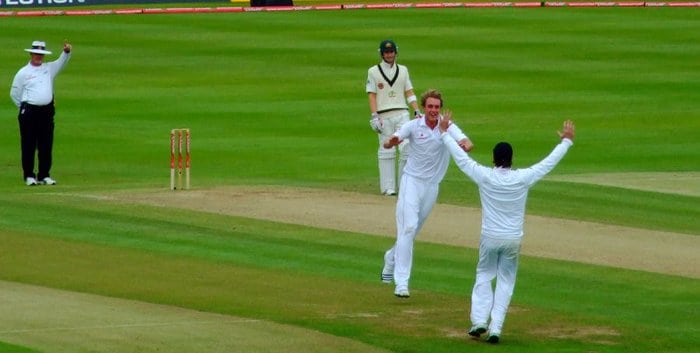
What is an Appeal?
When a batsman is dismissed in cricket, the fielding team may appeal to the umpire for a decision review. If the batsman is out, the umpire will raise his finger to give out. If the fielding team don’t do an appeal, then the umpire will not give out to the batsman.
If any team thinks that the umpire’s decision is incorrect, they will challenge the umpire’s decision to the third umpire. If the umpire believes there is a possibility that the batsman is not out, he will refer the decision to the third umpire. The third umpire will then review all available replays and make a decision.
How is an Appeal made?
An appeal is made by the fielding team shouting “Howzat?” or “That’s out!?” loudly and clearly. This is usually accompanied by the fielding team members gesturing towards the umpire and making a “T” sign with their hands. The appeal must be made respectfully and fairly, as overzealous or aggressive appeals can result in penalties or disciplinary action in cricket.
Different Types of Appeals
1. “Howzat” and “That’s out”
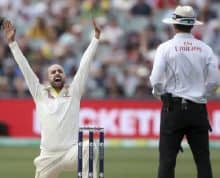
In cricket, an appeal is when the fielding team asks the umpire for a decision on whether a batsman is out or not. The fielding team will appeal by shouting, “Howzat?” or “That’s out!” The umpire will signal whether the batsman is out or not.
- If the batsman is out, the umpire will raise his arm above his head. The batsman can then review the decision or accept the umpire’s verdict.
- The umpire will keep his arm down if the batsman is not out. The fielding team can then review the decision or accept the umpire’s verdict.
2. Leg Bye Wicket Appeal (LBW)
An appeal for leg bye is made when the fielding team believes that the batsman has not hit the ball with his bat and that the ball has gone away from the wicket-keeper. The umpire will then give the batsman out if he believes that the batsman has not hit the ball with his bat.
Appeals for leg bye are often made when the batsman is not paying attention and the ball hits his leg. The fielding team may also appeal if they think that the batsman has yet to hit the ball with his bat and that the ball has hit with his pad.
Other Appeals in Cricket
Other appeals in cricket include catches, stumpings, hit wickets, bowled and hit the ball twice. These appeals are made by the fielding team when they believe the batsman is out. The umpire will then make a decision on whether or not the batsman is out.
3. Caught
Caughtis the most common type of appeal in cricket. A catch is made when the ball is hit by the bat and is then caught by a member of the fielding team before it hits the ground. The fielder can catch the ball in any manner, including with one hand.
4. Stumpings
Stumpings occur when the wicket-keeper removal the bails from the stumps while the batsman is out of his crease. A batsman can be out stumped if he is out of his crease and his bat does not hit the ball.
5. Bowled
A bowled appeal comes into place in cricket when the ball hit the batsman’s stump after the bowler has delivered it.
6. Hit the Ball Twice
This appeal comes in place when the fielding team believes that the batsman has hit the ball twice with their bat, which is not allowed in cricket.
Conclusion
Above, we discuss the cricket appeal law in detail. You get unique information about cricket appeal law after reading this article. Stay tuned with us for more interesting cricket updates. Also, subscribe to our YouTube channel for daily cricket updates.

Leave a Reply