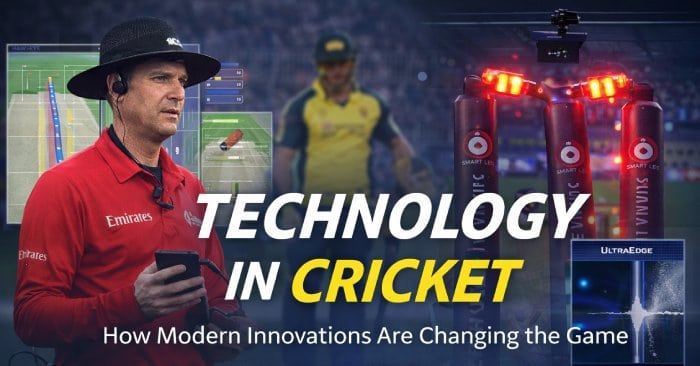
Cricket has evolved far beyond bat and ball. In today’s game, technology plays a crucial role in improving fairness, accuracy, player performance, and fan experience. From umpiring decisions to player tracking, technology in cricket has transformed how matches are played, analyzed, and enjoyed.
Whether you’re a casual viewer or a serious cricket follower, understanding these technologies helps you appreciate the game on a deeper level.
What Is the Role of Technology in Cricket?
Technology in cricket is primarily used to:
- Reduce human error in umpiring decisions
- Improve player performance analysis
- Enhance viewer experience
- Ensure fair play and transparency
Let’s Explore the Most Important Technologies Used in Cricket
1. Decision Review System (DRS) –
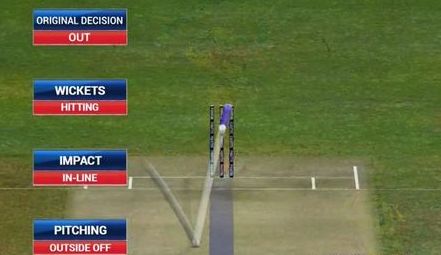
The Decision Review System (DRS) allows players to challenge on-field umpire decisions. Each team gets a limited number of reviews per innings.
Technologies Used in DRS:
- Hawk-Eye – Ball trajectory tracking
- UltraEdge / Snicko – Detects edges using sound waves
- Hot Spot – Infrared imaging to detect contact
- Ball-Tracking – Predicts impact with stumps
Advantages:
- Reduces umpiring errors
- Increases fairness
- Boosts player confidence
Limitations:
- Marginal calls still create debates
- Dependent on the accuracy of technology
- Can slow down the game
2. Hawk Eye Technology –
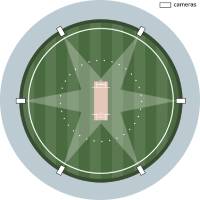
Hawk-Eye uses multiple high-speed cameras to track the ball’s movement in 3D.
Used For:
- LBW decisions
- Pitch maps
- Bowling speed & bounce analysis
- Ball trajectory predictions
Accuracy:
Hawk-Eye is considered over 95% accurate, making it one of the most trusted technologies in cricket.
3. Hotspot Technology –

Hot Spot uses infrared cameras to detect friction between the bat and ball.
Key Benefits:
- Helps identify faint edges
- Useful in close caught-behind decisions
Drawback:
- Not used in every match
- Expensive to implement
4. Snickometer Technology –
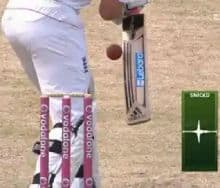
The snickometer is a device that is used in cricket to detect whether or not the ball has touched the bat. It is also used to detect impact force. Both umpires and players can benefit from the snickometer since it can be used to resolve close calls and boost player performance.
- Uses sound waves to detect bat-ball contact
- Visualizes audio spikes on a graph
5. UltraEdge Technology –
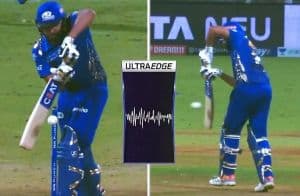
UltraEdge is an upgraded version of snickometer in cricket. In cricket, a tool called UltraEdge is used to help umpires determine if a batter has edged the ball. Two sensors, one at either end of the field, are used by the technology to follow the ball’s path. An audio signal is played to an umpire so they may decide if the two sensors confirm that the ball has hit the bat.
- Advanced version of Snicko
- More accurate and clearer
- Officially used by ICC since 2017
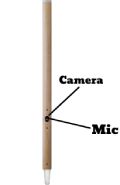
6. Stump Camera & Mic –
Stump cameras are used to film the bowler and the batter, while microphones are utilised to record the sounds of the players and the spectators.
Stump cameras and microphones offer:
- Close-up angles of bowling & batting
- Real-time audio from the pitch
- Entertaining moments for fans
They also help umpires in run-out and stumping decisions.
7. Speed Gun Technology –
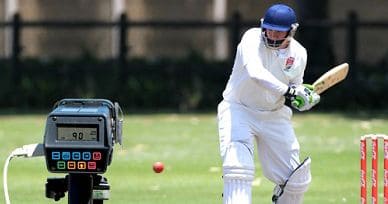
Speed guns are used to measure the speed of a cricket ball when a bowler delivers it. Coaches and analysts can use this information to help improve a team’s performance.
There are a few different types of speed gun technology available, each with its own advantages and disadvantages.
Radar Gun
- Highly accurate
- Works in all conditions
- Expensive
Laser Gun
- Less expensive
- Slightly lower accuracy
- Limited usage conditions
Used widely by:
- Broadcasters
- Coaches
- Analysts
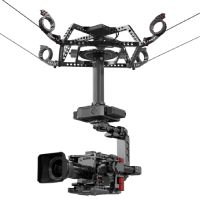
8. Spidercam Technology
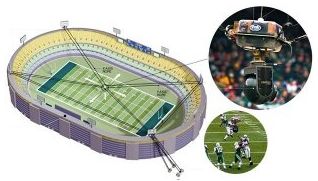
The game of cricket has been enhanced by using spider cam technology. Because of this technology, spectators can now watch every area of the action on the field, making for a much more interactive experience. Because they can now view replays from every angle, commentators can provide a more detailed analysis of the game.
Spidercam provides aerial views using cables suspended above the ground.
Benefits:
- 360-degree field view
- Enhanced broadcast experience
- Better tactical analysis
This technology has changed how fans watch cricket on television.
9. Smart LED Stumps & Bails
Used in ICC tournaments and IPL, smart stumps:
- Light up when disturbed
- Instantly confirm run-outs & stumpings
- Reduce third-umpire decision time
10. No-Ball Detection Technology
Front-foot no-ball decisions are now monitored using:
- Cameras
- Sensors
- Automated alerts to umpires
This ensures zero human error in no-ball calls.
11. Player Tracking & Performance Analytics (NEW)
Modern cricket uses:
- GPS trackers
- Wearable sensors
- AI-based performance analysis
Used For:
- Workload management
- Injury prevention
- Batting & bowling efficiency
IPL and international teams rely heavily on this data.
Advantages of Technology in Cricket
- Fairer decisions
- Improved umpiring accuracy
- Better player performance analysis
- Enhanced fan engagement
Drawbacks of Technology in Cricket
- Over-dependence on technology
- Interruptions in game flow
- Costly for domestic cricket
Future of Technology in Cricket
The future looks exciting with:
- AI-powered umpiring
- Automated decision systems
- Virtual reality training
- Advanced biomechanics analysis
Cricket will continue blending tradition with innovation.
Conclusion
Technology has revolutionized cricket, making the game fairer, smarter, and more engaging. While debates around over-reliance continue, there’s no denying that modern cricket thrives because of technology.
As the sport evolves, technology will only become more accurate and influential-shaping the future of cricket worldwide. Stay tuned with us for more interesting cricket updates. Also, subscribe to our YouTube channel for daily cricket updates.
FAQs:
Q1 – Is technology 100% accurate in cricket?
Ans – No, but most systems are over 90–95% accurate.
Q2 – Can umpires overrule technology?
Ans – On-field umpires still make final decisions in some cases.
Q3 – Which technology is most important in cricket?
Ans – DRS is the most impactful technology today.
Q4 – Why does DRS sometimes fail?
Ans – Due to camera angles, sound interference, or prediction margins.
Leave a Reply