
Cricket is a popular sport in many countries around the world. The game has been played for over two centuries and is one of the most established sports in the history of sports. In this article, I will discuss 10 unknown facts about cricket that you might not know about.
Let’s dive right in:
- Fact#1: The first cricket ball was made of wool
- Fact#2: Shortest and Longest cricket match
- Fact#3: Hit 6 sixes in an over
- Fact#4: The man who has played the most international matches as a Captain
- Fact#5: The man who hit a six from the first ball of a Test match
- Fact#6: The man who considered the father of cricket
- Fact#7: Most matches played by the England team in Test cricket
- Fact#8: The greatest test cricket upset happened in 1952
- Fact#9: Weight of cricket ball
- Fact#10: Weight of cricket bat
Fact #1: The First Cricket Ball was Made of Wool
The first cricket ball was made of wool and was used in a game played in England in the 16th century. The ball was made by stitching together pieces of woollen cloth.

The game of cricket soon spread to other countries, and the ball was made of other materials, such as leather. Today, cricket balls are made of cork and leather and are used in competitive games all over the world.
Fact #2: Shortest and Longest Cricket Match
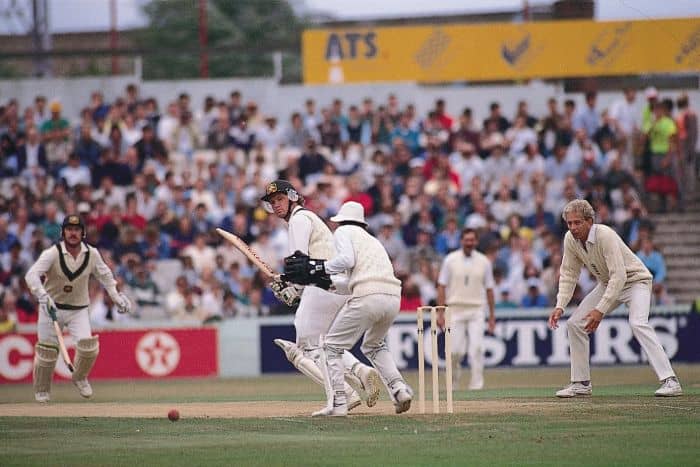
Cricket is a sport that can be played for a long time. The longest cricket match ever played lasted for more than eleven days. It was between England and South Africa and was played in Durban, South Africa. The shortest cricket match was played between Australia and England in 1882. It lasted for only 45 minutes.
Fact #3: Hit 6 Sixes in an Over
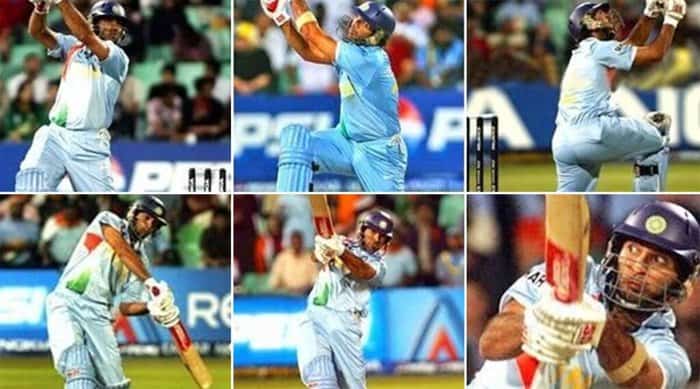
In 2007, during an ICC World Twenty20 match, Indian cricketer Yuvraj Singh hit 6 sixes in an over of English bowler Stuart Broad. No player in the history of international cricket has ever hit more than four sixes in a single over; hence, this achievement set a new record.
Yuvraj Singh became recognized as one of the world’s top cricket players due to his outstanding performance. He received recognition for his strength, stamina, and sportsmanship. This outstanding achievement will be appreciated for many years to come.
Fact #4: The Man Who has Played the most International Matches as a Captain
MS Dhoni is one of the most successful captains in cricket history. He has led India to victory in many valuable tournaments, including the ICC World Cup, the IPL, and the Champions Trophy.
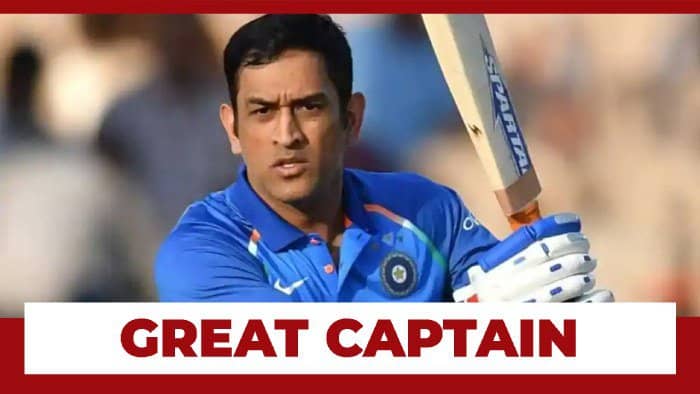
Dhoni has played a total of 334 international matches as captain, which is more than any other player in history. He has also been honoured with many prestigious awards, including the Padma Shri and the Rajiv Gandhi Khel Ratna Award. Dhoni is truly a legend of the game, and his contributions to Indian cricket will be remembered for years to come.
Chris Gayle hit a six on the first ball in a test match against Bangladesh in November 2012 at Dhaka On the opening ball of a test match, Chris Gayle became the first and only batter to hit a six.
Fact #5: The man who hit a six from the first ball of a Test match
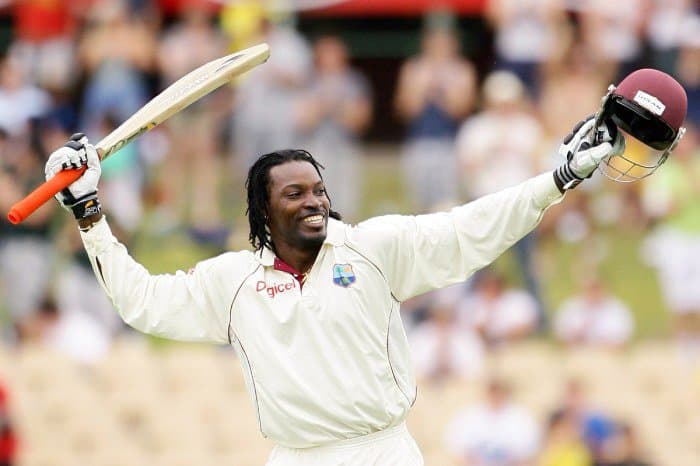
Gayle is known for his big-hitting abilities; this was one of his most powerful shots in recent times. This shot has been talked about all over the world because it was so unexpected and impressive. Gayle is also known as “Universe boss”.
Fact #6: The Man Who Considered the Father of Cricket
The man who is considered the father of cricket is a famous Englishman, William Gilbert Grace. William was born in 1848 in Ireland. He moved to England at the age of 4 and studied at Malvern College. He was a very good cricketer and played for his school, his college and for Oxford University.
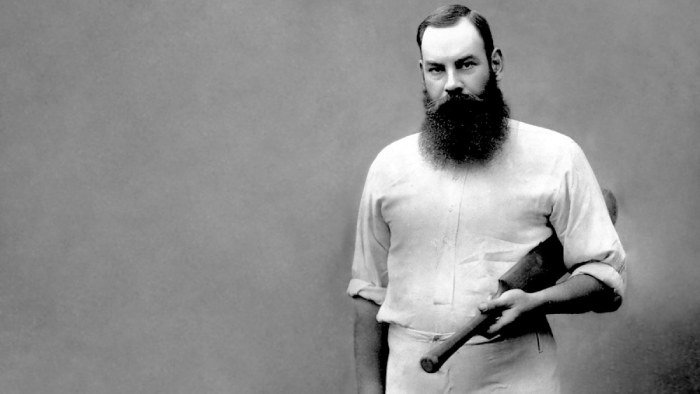
In 1873 he became captain of Middlesex County Cricket Club and helped them win their first County Championship title in 1880. He retired from cricket in 1908 and spent time coaching young players before he died on 23 November 1915 at the age of 67 years old.
Fact #7: Most Matches played by the England Team in Test cricket
England is one of the most successful teams in Test cricket. They have played more matches than any other team, and they have won the most number of matches too.
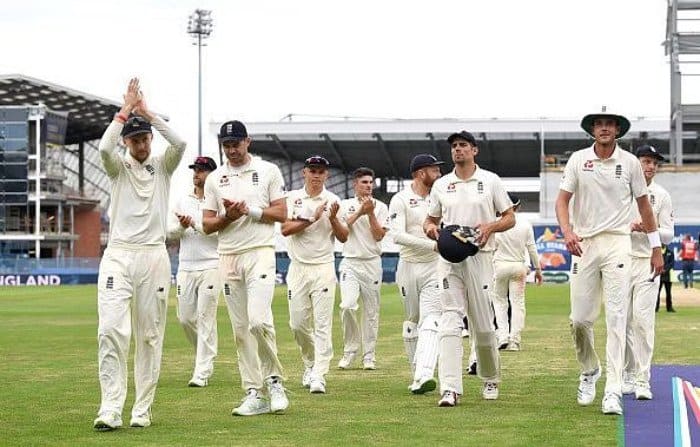
England has played 1,053 Test matches, resulting in 384 victories, 317 defeats, and 354 ties. They also play more matches than any other team.
Fact #8: The Greatest Test Cricket Upset Happened in 1952
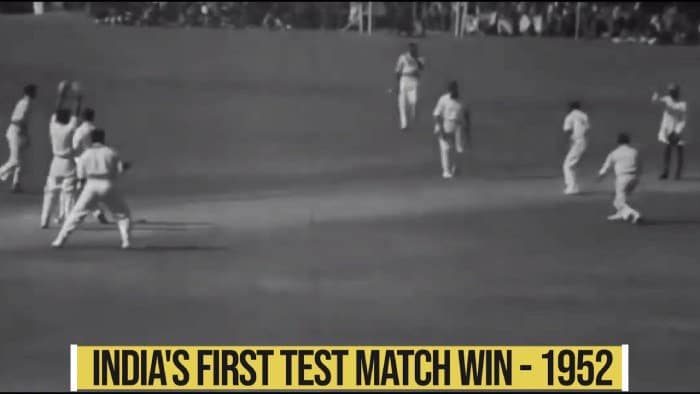
The greatest test cricket upset happened in 1952 when the Indian team beat England by an innings and 18 runs at the Madras Cricket Club. This was a monumental victory for India because they had never beaten England in a test match before. This win was also significant because it helped to establish India as an international cricketing power.
Fact #9: Weight of Cricket Ball
The weight of a cricket ball can vary depending on factors such as manufacturer and size. The most common weight for cricket balls used in international matches is between 160g and 180g.
A cricket ball is a hard, solid ball that is made of cork and covered with leather. Cricket balls are usually white or red but can be any colour that is easily visible on a playing field.
Fact #10: Weight of Cricket Bat
The weight of the cricket bat can be measured in pounds and kilograms. The weight of a cricket bat depends on its length, material, and thickness. For example, a heavier bat will be more difficult to swing and have less power than a lighter one with greater swing speed.
The weight of the cricket bat is a very important factor in determining an individual’s success. It is not only about how heavy the cricket bat is but also how long it will last.
According to International Cricket Council rules, a cricket bat that weighs more than 3 pounds (1.4 kilograms) cannot be used by children under 16 years old in international competitions.
Conclusion
Above, we discuss 10 interesting and unknown facts about cricket that you might not know about. Stay tuned with us for more interesting updates and knowledge about cricket. Also, subscribe to our YouTube channel for daily cricket updates.

Leave a Reply