
Cricket is a beautiful sport – but anyone who has spent time in the nets or on the field knows it can be physically demanding. Whether you’re bowling long spells, diving in the field, or batting for hours, your body takes a lot of strain.
Knowing the most common cricket injuries and how to prevent them can save you weeks (or months) on the sidelines – and can even extend your playing cricket career.
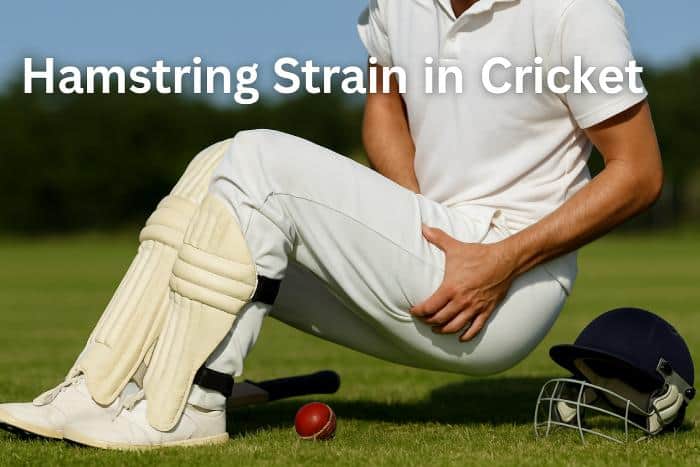
1. Hamstring Strain
What it is:
A tear or overstretching of the hamstring muscles (back of the thigh).
Common in: Fast bowlers sprinting in their run-up, fielders chasing balls, or batsmen running quick singles.
Symptoms:
- Sudden sharp pain in the thigh
- Swelling and bruising
- Difficulty sprinting or bending the knee
Prevention Tips:
- Warm-up with dynamic stretches (leg swings, high knees) before training/matches.
- Strengthen hamstrings with exercises like Nordic curls, glute bridges, and Romanian deadlifts.
- Avoid sprinting immediately after long periods of inactivity in a cricket match.
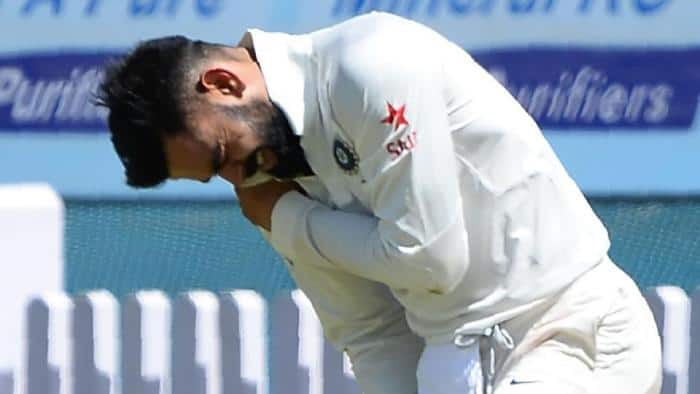
2. Shoulder Rotator Cuff Injury
What it is:
Damage to the small muscles that stabilize the shoulder joint.
Common in: Bowlers (especially overuse in fast bowling) and aggressive field throws.
Symptoms:
- Shoulder pain when lifting the arm or bowling
- Weakness in throws
- Clicking or grinding sensation
Prevention Tips:
- Strengthen rotator cuff muscles using resistance bands.
- Avoid over-bowling in practice; follow workload guidelines (e.g., ECB fast bowler workload rules).
- Always do shoulder mobility drills before throwing sessions.
3. Lower Back Stress Fracture

What it is:
Small cracks in the lower back bones, common in young fast bowlers due to repetitive twisting and extension.
Symptoms:
- Persistent lower back pain that worsens with bowling
- Stiffness after matches or training
Prevention Tips:
- Maintain core strength (planks, dead bugs, Pallof presses).
- Focus on correct bowling action to avoid excessive lumbar extension.
- Limit overs for junior fast bowlers to avoid overload.
4. Side Strain

What it is:
Injury to the internal or external oblique muscles in the side of the body.
Common in: Fast bowlers during delivery stride.
Symptoms:
- Sharp pain on one side of the ribcage during bowling
- Difficulty twisting or bending sideways
Prevention Tips:
- Strengthen obliques with cable twists, Russian twists, and side planks.
- Gradually build up bowling intensity after a break.
- Keep hips and shoulders flexible with regular stretching.
5. Finger Injuries (Sprains, Dislocations, Fractures)

What it is:
Damage to the fingers from catching high-speed balls or batting against fast bowling.
Symptoms:
- Swelling, bruising, and loss of finger movement
- Visible deformity in case of dislocation
Prevention Tips:
- Always practice catching with soft hands, letting the ball roll into the palms.
- Wear inner gloves when batting or wicketkeeping.
- Use tape for extra support in matches with high-speed bowling.
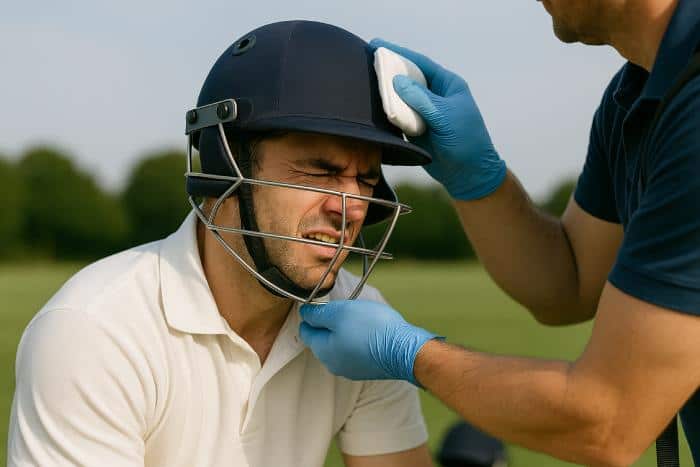
6. Concussion
What it is:
Brain injury caused by a blow to the head (e.g., bouncer impact).
Symptoms:
- Headache, dizziness, blurred vision
- Confusion or memory loss
Prevention Tips:
- Always wear an ICC-approved helmet with a neck guard.
- Replace helmets after a strong impact or every few years.
- Take medical assessment immediately after a head hit – never “shake it off.”
7. Tennis Elbow (Lateral Epicondylitis)

What it is:
Overuse injury causing pain on the outside of the elbow.
Common in: Batsmen playing repetitive cut or backfoot shots, or bowlers with poor wrist position.
Symptoms:
- Pain when gripping the bat or shaking hands
- Weakness in forearm
Prevention Tips:
- Strengthen forearm muscles with wrist curls and reverse wrist curls.
- Avoid over-repetition of one shot in nets.
- Stretch forearms regularly.
Essential Injury Prevention Habits for All Cricketers
- Warm-Up & Cool-Down – Spend at least 10-15 mins before and after every session.
- Stay Hydrated – Dehydration reduces muscle performance and increases cramp risk.
- Periodized Training – Mix intense sessions with recovery days.
- Protective Gear – Helmet, pads, gloves, and thigh guards reduce serious injury risk.
- Listen to Your Body – Never ignore persistent pain; early rest prevents long layoffs.
Final Word
Injuries can be frustrating, but most are preventable with the right preparation and recovery strategies. Whether you’re a weekend gully cricketer or a professional player, investing time in fitness, warm-ups, and technique will keep you on the pitch longer – and at your best.

Leave a Reply