Wicket-keeping is one of cricket’s most challenging and rewarding roles. A good wicketkeeper not only saves runs but can turn the tide of a match with quick dismissals. To excel, consistent practice with the right drills is essential. In this blog, we explore the top 10 wicket-keeping drills that every keeper should master, along with tips to maximize their performance.
1. Underarm Throws Drill
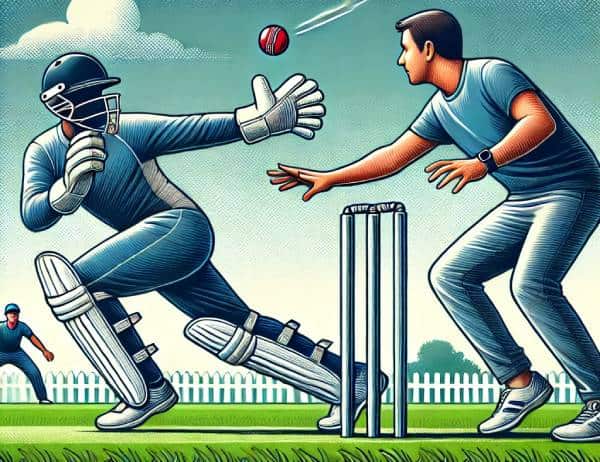
Focus: Catching reflexes for edges and deflections.
- Partner throws balls underarm in random directions.
- Keeper focuses on quick reactions to grab the ball.
Pro Tip: Use a softer ball during the initial stages to build confidence.
2. High Catch Practice

Focus: Building confidence for high, spinning balls.
- The coach or partner throws the ball high into the air.
- Keeper practices judging the ball’s flight and catching it cleanly.
Pro Tip: Train under varying weather conditions to adapt to real-game scenarios.
3. Side-to-Side Movement Drill
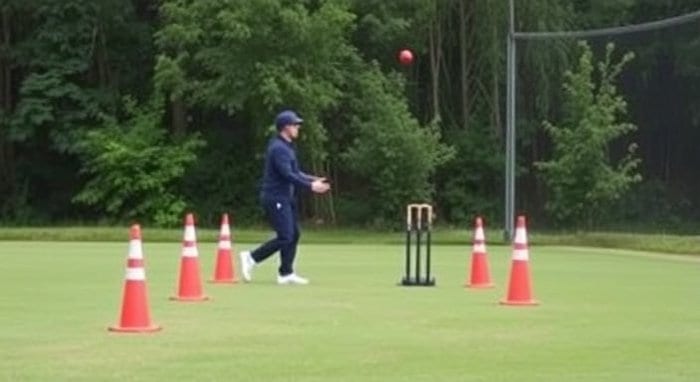
Focus: Enhancing lateral movement for wide deliveries.
- Set up cones 3 meters apart.
- Move side-to-side between cones while catching incoming balls.
Pro Tip: Keep a low stance to maintain balance during lateral movements.
4. Back-and-Forth Drill
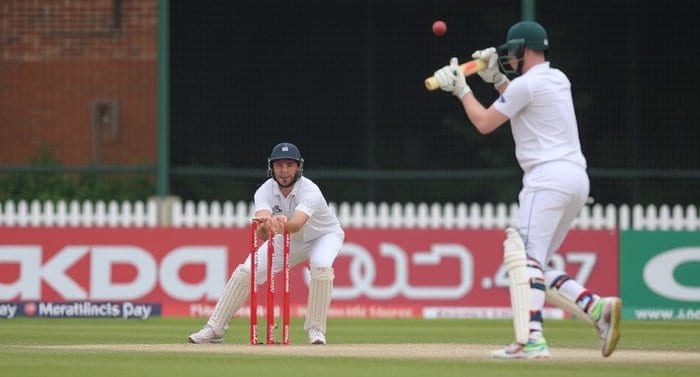
Focus: Preparing for spinners and pacers.
- The keeper alternates between catching balls pitched short and ones pitched full.
- Mimics the unpredictability of deliveries during a game.
Pro Tip: Work with different ball speeds to sharpen reflexes.
5. Reaction Ball Training
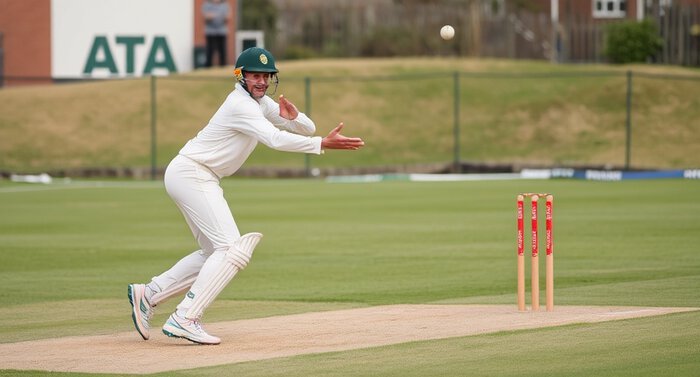
Focus: Develop quick reflexes for unpredictable ball movement.
- Use a reaction ball (with uneven bounce).
- Catch the ball after its unpredictable bounces.
Pro Tip: Perform this drill on various surfaces to increase difficulty.
6. Close-Catch Practice with a Tennis Racket

Focus: Sharpens response to sharp edges and fast nicks.
- A partner uses a tennis racket to hit balls toward the keeper.
- Keeper practices catching balls with varying speeds and directions.
Pro Tip: Use gloves to simulate real-match scenarios.
7. One-Hand Stumping Drill
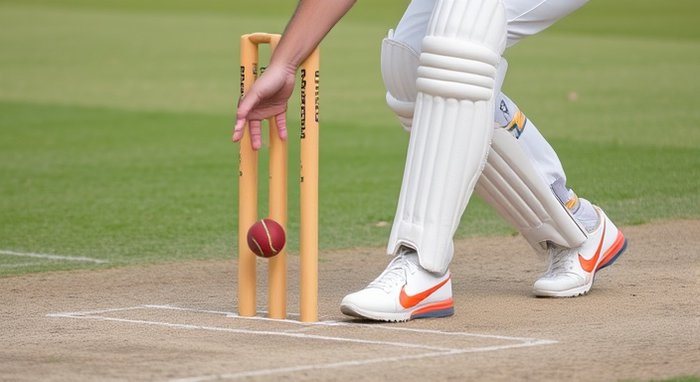
Focus: Precision and quick dismissals off-spin bowling.
- The keeper practices stumping using one hand to grab the ball and break the stumps.
- Repeat with varying angles of ball delivery.
Pro Tip: Combine this with footwork drills for realistic practice.
8. Split-Step Drill
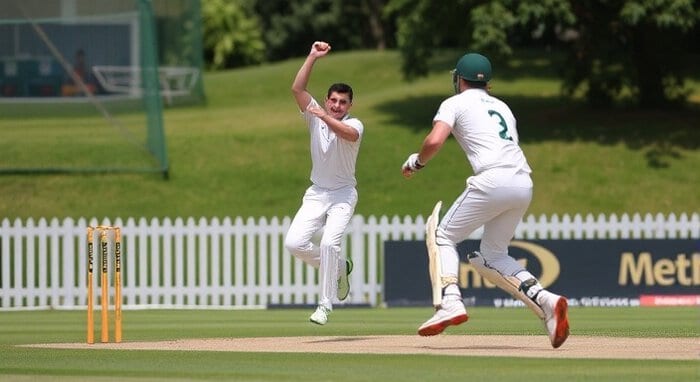
Focus: Timing explosive movements for stumpings.
- The keeper practices splitting (small jump) as the bowler delivers.
- Prepares for explosive movement in any direction.
Pro Tip: Use video analysis to evaluate your timing and stance.
9. Direct-Hit Practice

Focus: Improving throwing accuracy for run-outs.
- Place stumps at varying distances.
- The keeper practices throwing directly at the stumps after collecting the ball.
Pro Tip: Combine this with reaction drills for game-like conditions.
10. Diving Drill with a Partner
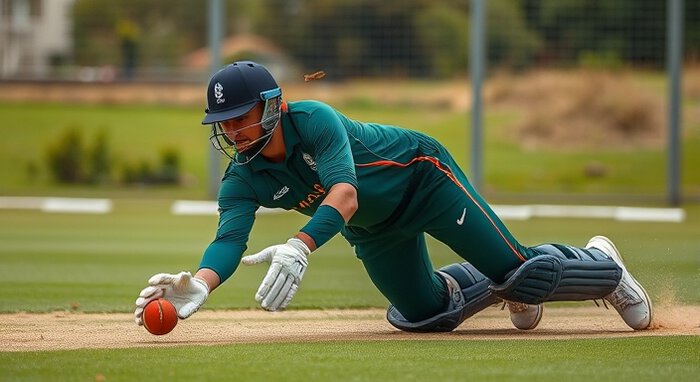
Focus: Athleticism for catching balls out of reach.
- A partner throws balls just out of the keeper’s reach.
- The keeper practices diving catches on both sides.
Pro Tip: Use padded surfaces to prevent injuries during training.
Why Wicket-Keeping Drills Matter
Wicket-keeping requires impeccable reflexes, footwork, and decision-making. Practising specific drills ensures that you:
- Improve hand-eye coordination.
- Develop agility to handle spinners and fast bowlers alike.
- Enhance confidence for high-pressure situations.
Tips for Maximizing Your Wicket-Keeping Practice
- Consistency Matters: Practice these drills daily for the best results.
- Stay Hydrated: Dehydration can reduce focus and reflexes.
- Record Your Sessions: Identify weaknesses and improve your technique.
- Seek Feedback: Work with a coach or senior player to refine your skills.
Common Mistakes to Avoid
- Poor positioning behind the stumps.
- Overcommitting to one side before the ball is delivered.
- Failing to maintain focus during long spells.
FAQs
Q: How often should I practice these drills?
A: At least 4–5 times a week for 30–60 minutes.
Q: Can beginners use these drills?
A: Yes! Start with simpler drills like underarm throws and progress gradually.
Q: What equipment do I need?
A: Gloves, reaction ball, stumps, and a tennis racket.
Also Read – Top 3 Cricket Batting Drills
Conclusion
Mastering wicket-keeping is a combination of technique, agility, and consistency. These drills can transform your game and make you a dependable asset to your team. Start incorporating them into your training today, and watch your performance soar!
Which drill are you excited to try? Let us know in the comments!

Leave a Reply